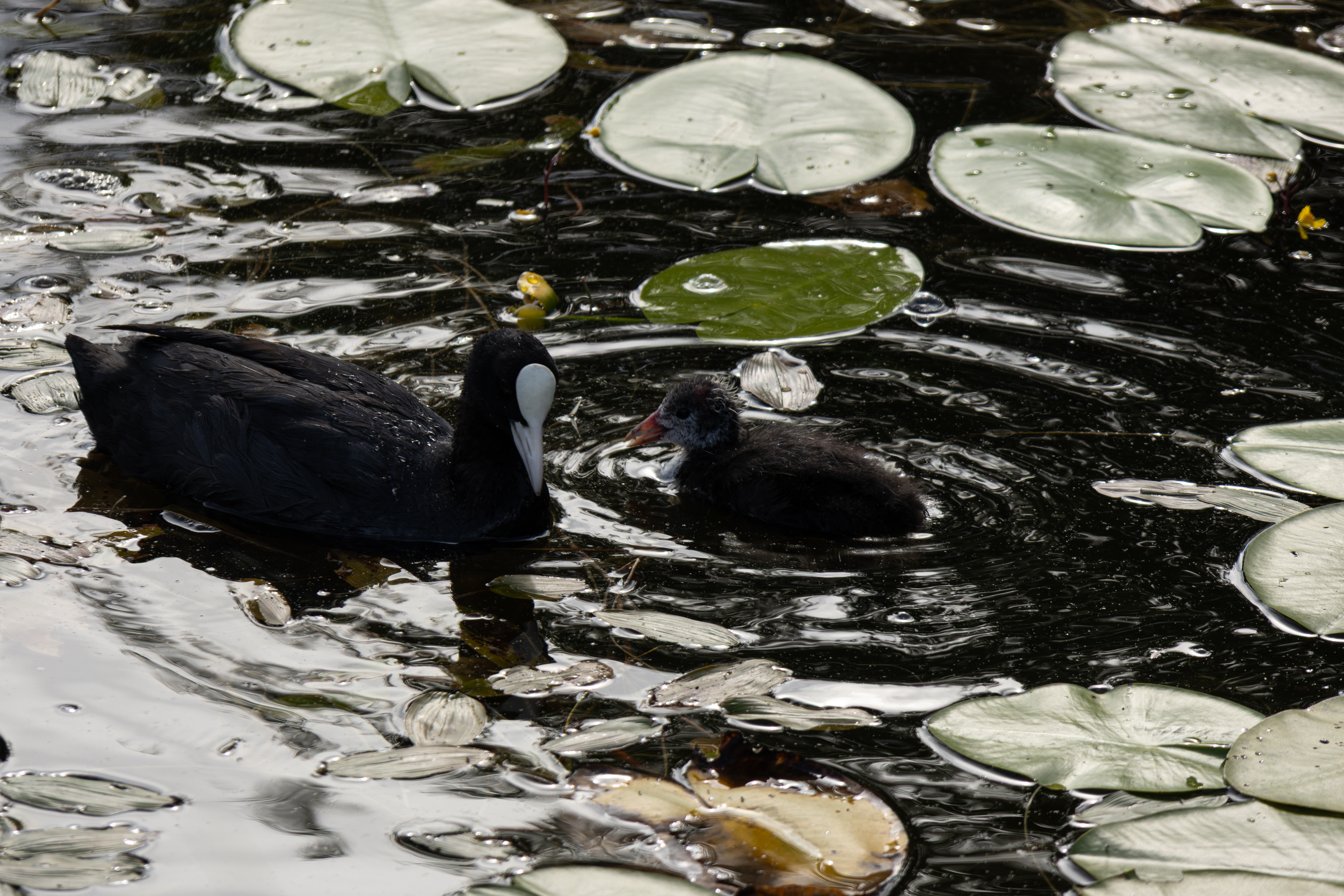
Moors develop over thousands of years. Left untouched, they rise by a couple of millimeters every year. High bogs (also called raised bogs) are efficient retainers of CO2, the gas that drives climate warming.
In Switzerland, there are at least three interest groups influencing the fate of high bogs: a) farmers, who own the bogs or parts of them, and use them as grazing grounds for cattle, b) tourism that advocates hiking, biking and family picnics in the moors and bogs, and c) environmentalists that push for complete protection and restoration of these areas to enable regeneration and renewed growth of the bogs.
I returned to the high bog, a nature reserve, located in Central Switzerland, that I described in my previous blog. I wanted to explore another part of it. The first hike through the high bog of the Glaubenberg region left the impression of an awesome alpine region of great beauty. After reading more about the biology of high bogs I wanted to compare my impression of what I had experienced with what I would see on this hike: And now, I am a bit worried.


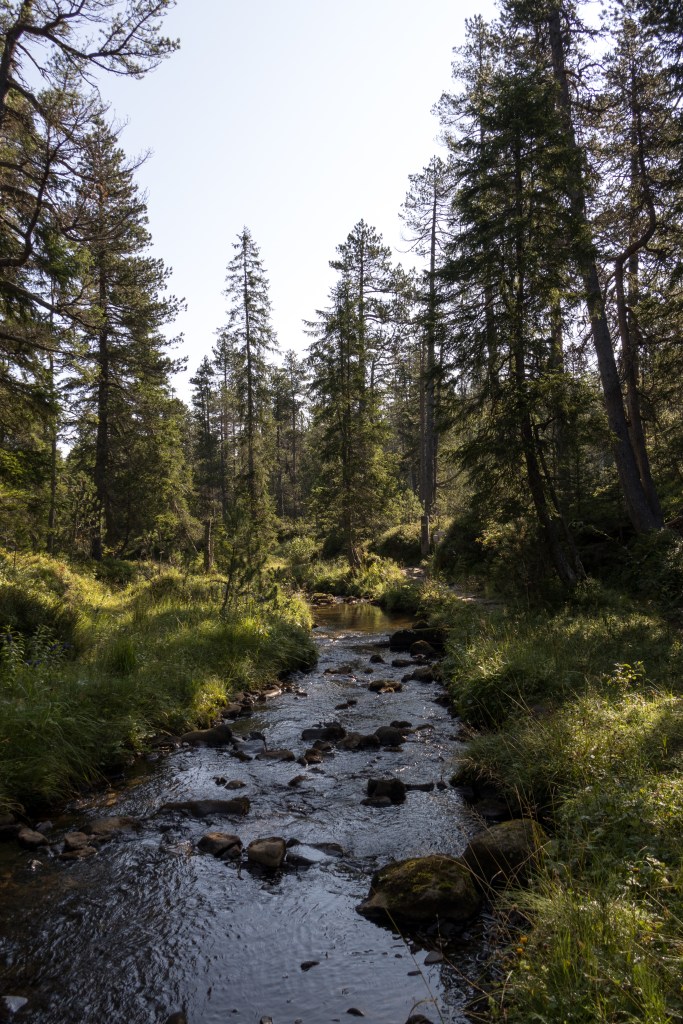
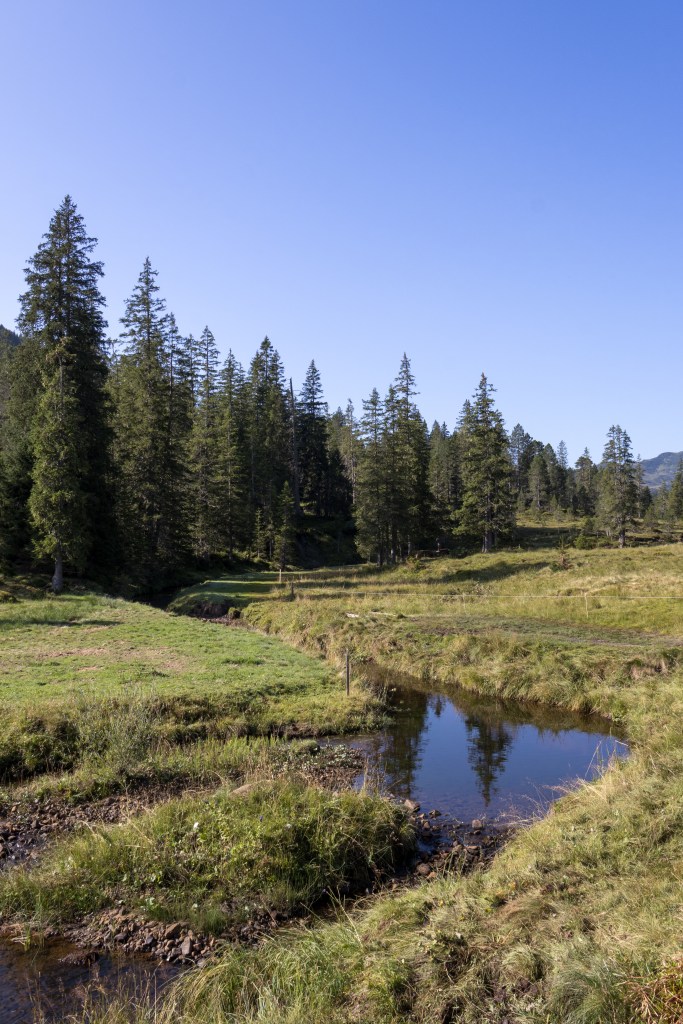
The untamed brook (left) leads to grassland (picture on the right). To the right of the brook, the color of the grass hints at cattle grazing on these grounds. The lush green of the untouched bog is replaced by brownish patches of drained and altered moor.
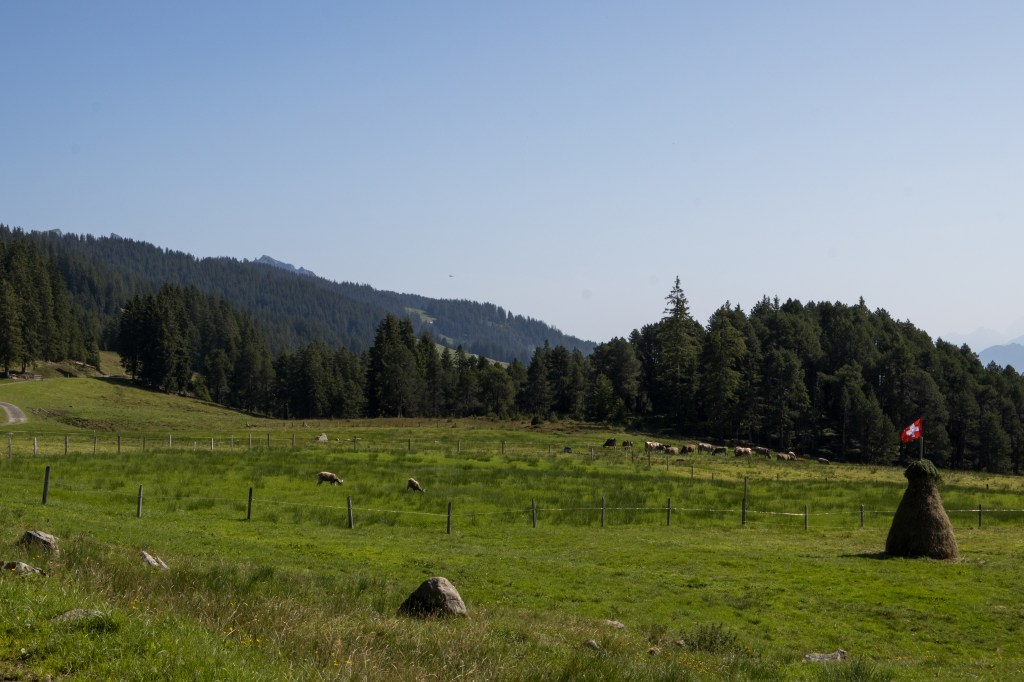
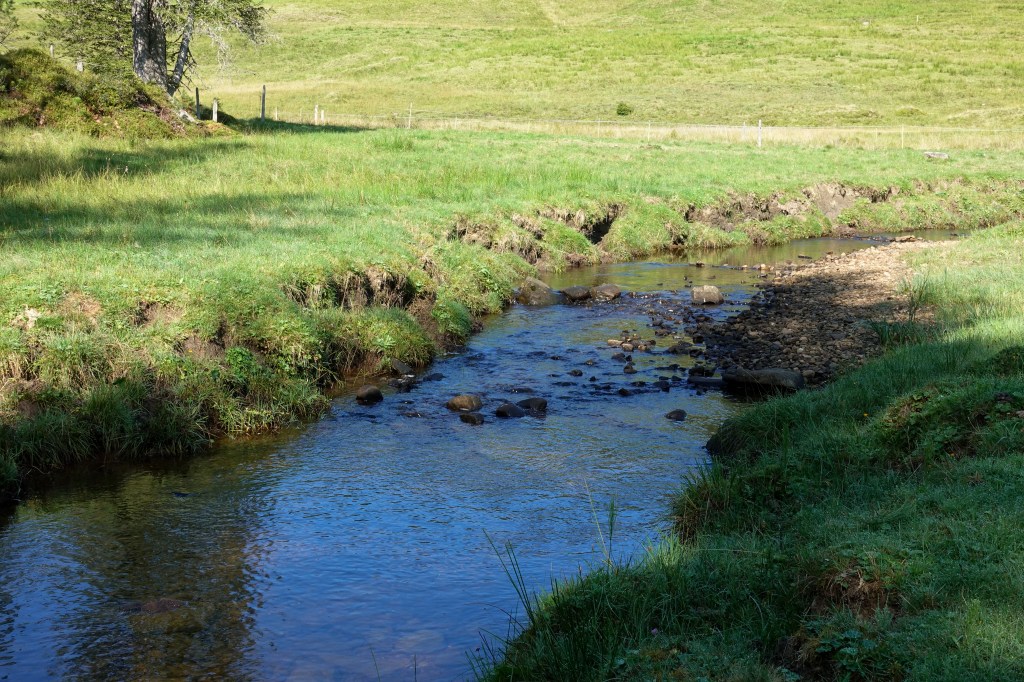
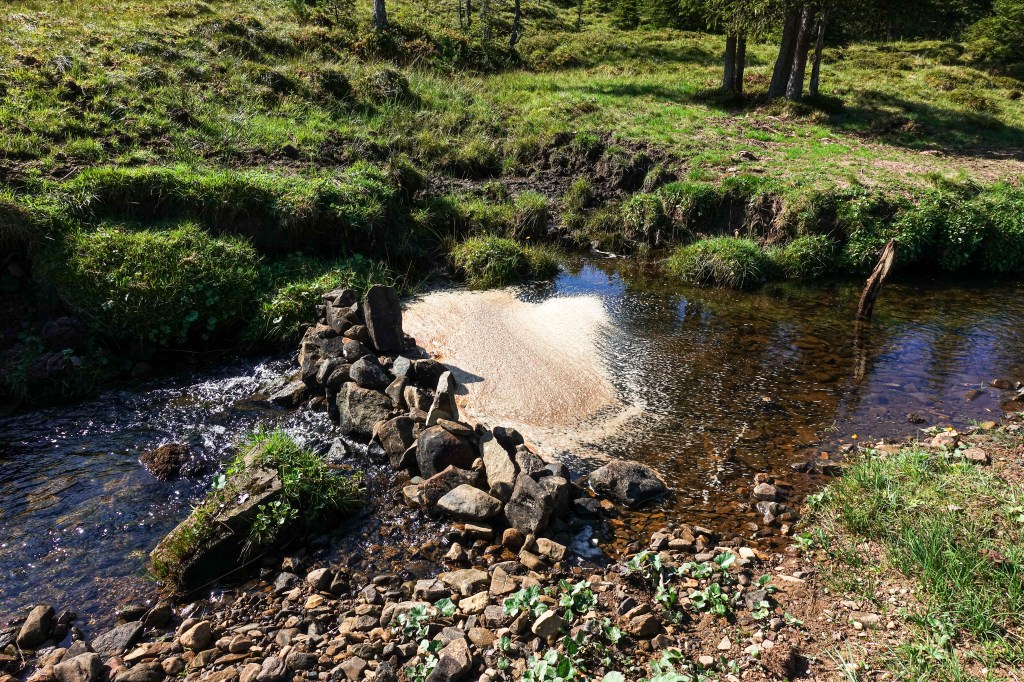
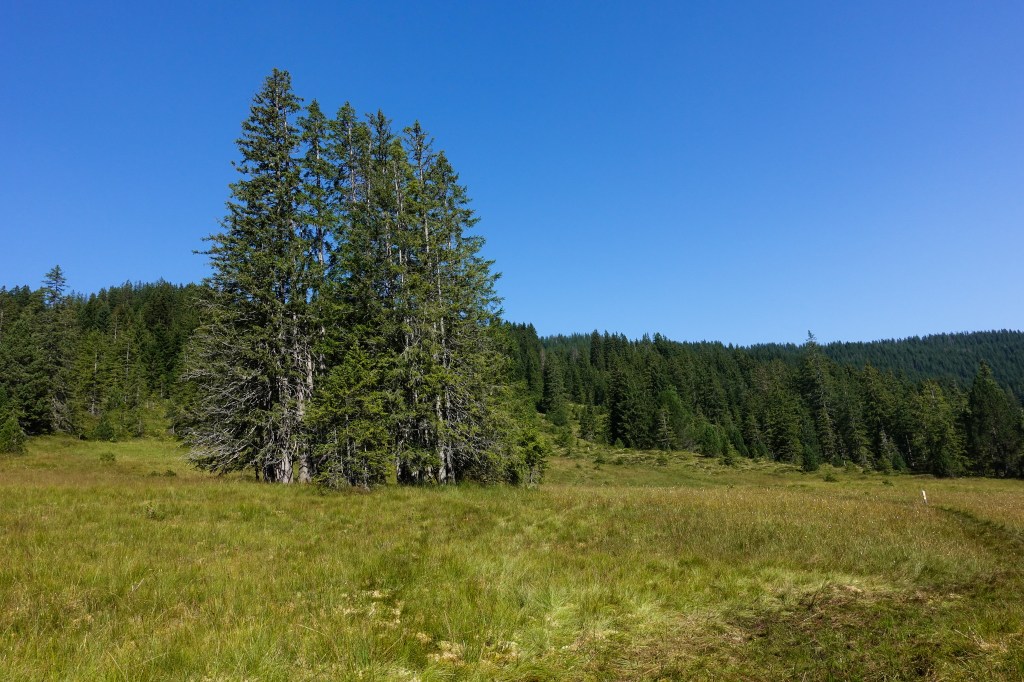
What am I worried about? An intact bog is a swampy area that can hardly be traversed by hikers, let alone bikers.
The Glaubenberg nature reserve and high bogs, stipulated to be of national interest, have been altered in most places to the extent of the bogs becoming alpine meadows to nourish cattle and enabling hikers and bikers to cross them with little hindrance. The nature reserve is progressively losing its capacity and eminently important function to retain CO2, and water, and help temperature regulation to counter climate change. It demonstrates vividly the contrasting interests of the stakeholders and the risk of losing the bogs forever, given that they grow at best just a few millimeters per year.
On 22 September 2024 there will be a national poll in Switzerland on extending efforts to preserve the environment, especially moors, moorlands and bogs. It is a timely event in support of these precious regions. The initiative was launched by environmental advocates and concerned citizens among others, and aims to protect the environment more seriously, particularly high bogs. Considering my impression and analysis of the Glaubenberg National Bog Reserve and other bogs I deem this extended environmental protection to be necessary and timely. In order to preserve the high bogs on Glaubenberg and in other places in Switzerland, a stricter exemption from active farming is necessary to prevent these precious regions from disappearing.
Finally, photography is not only about picturing the beauty and aesthetics of nature but also about the photographer’s responsibility to document what is wrong in the living world and to stand up for correction.
 Vogelmoos Nature Reserve
Leave a comment