
Walking through a moor isn’t easy. The ground is soft and the boot sinks into the mud if you didn’t wait until sunny weather has dried out the tracks. Moors have an important climate stabilizing role and should be protected wherever possible. They are strong retainers of CO2.
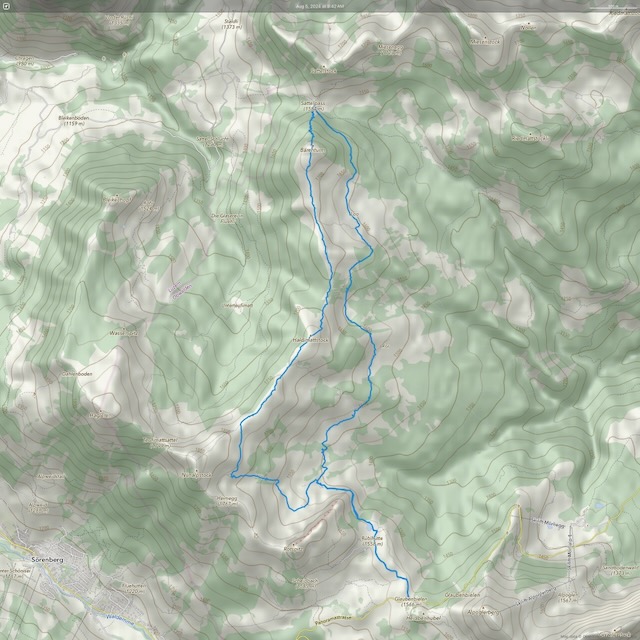
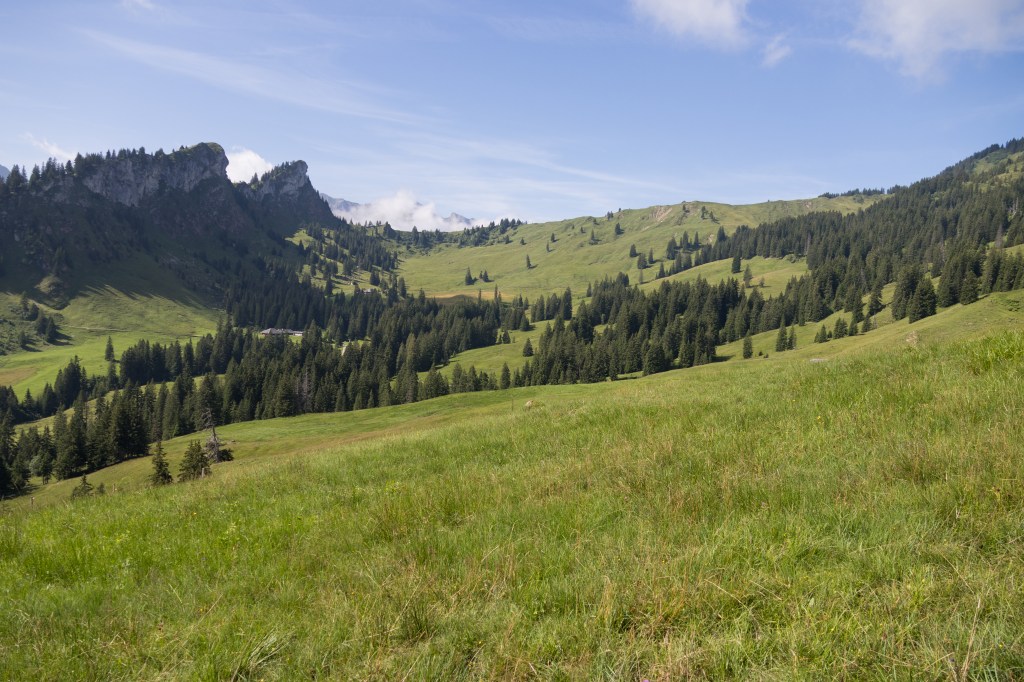
a small part of the moor.
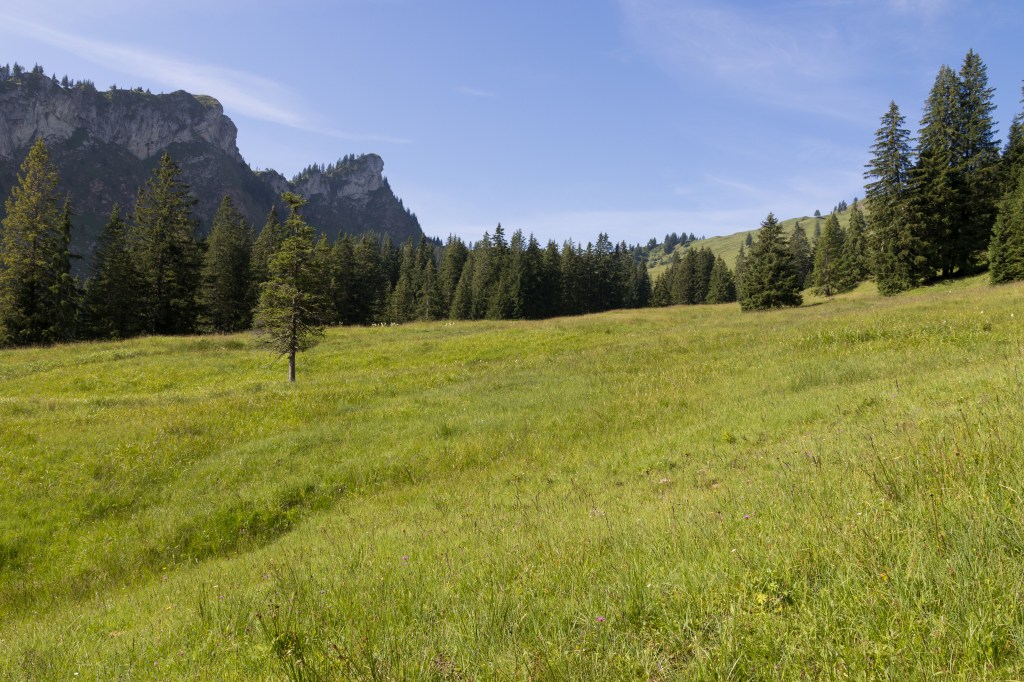
have sunk into the mud boot deep if I had stepped off the trail.
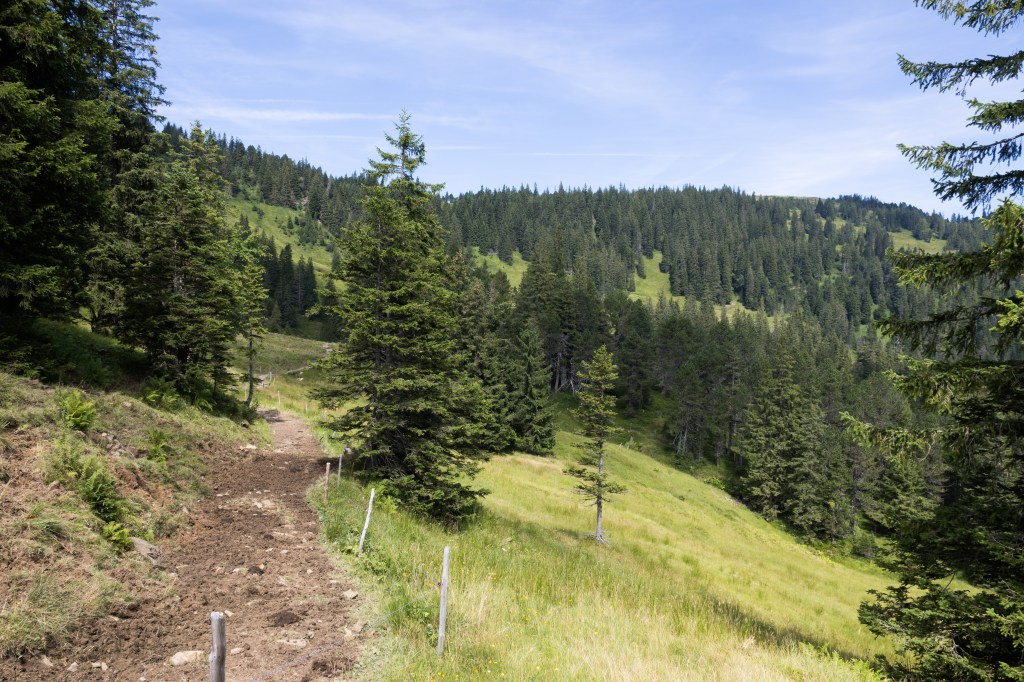
path to trott to their meadows.

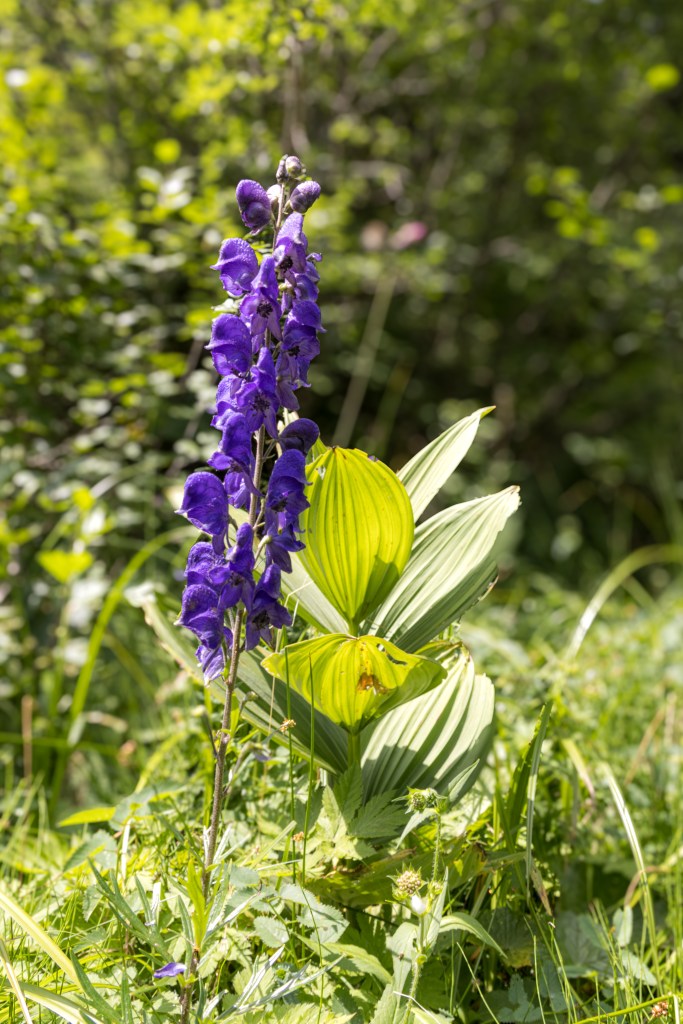
bordered by the typical flora of the moor.


The largest raised bogs (highland moors) are in northern Europe and the UK. Due to their special chemical environment, finds of plants, animals and humans give insight into the environment and habitat of many years ago. In a Danish moor a mumified person was found that lived 10’000 years ago, i.e. at the end of the last ice age. Switzerland was still mainly covered with glaciers at that time and the first human remains in the Alps date back to about 5’300 years ago. The mumie with the surname, Ötzi, was found in today’s border region between Italy and Austria.
Anyone desiring to visite a raised blog (alpine moor) should patiently await a longer period of dry weather and be well equipped with hiking gear: But what a wonderful adventure that is!
 Vogelmoos Nature Reserve
Leave a comment