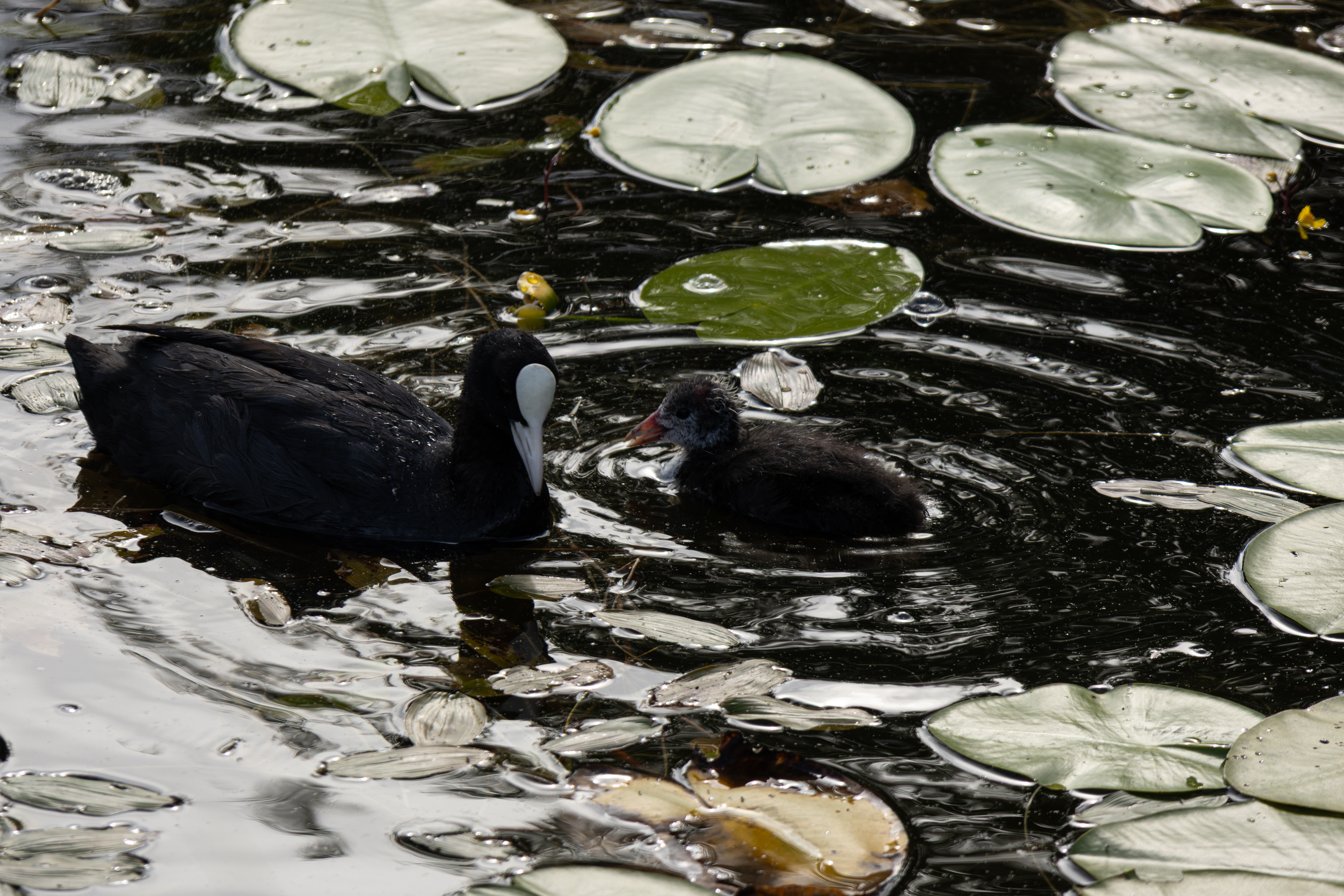
The focus of my blog is to describe and document with my camera the fauna and flora of the Vogelmoos. This nature reserve is located in Central Switzerland, approximately 15 miles west of Lucerne, where I live. The Vogelmoos was founded on the initative of a gamekeeper in the 1970s. He raised funds and founded a support group that allowed the purchase of a chunk of moorland that was to be drained to preserve it and to lay the foundation of the Nature Reserve.
The Vogelmoos lies at an altitude of 2100 to 2400 feet above sea level. My past blogs aimed to document the flora and fauna during seasonal cycles.
In the current blog I contrast this beautiful landscape with that of the Bödmerenwald. This is the largest and oldest nature reserve of spruce in Europe. It is located in the eastern part of Central Switzerland at an altitude of 5’000 to 5’500 feet above sea level ontop of a Karst landscape made of limestone and overlying one of the largest cave systems of Europe exceeding 1’500 miles of passages.
Beginning, a couple of recent pictures from Vogelmoos followed by impressions of the spruce forest.

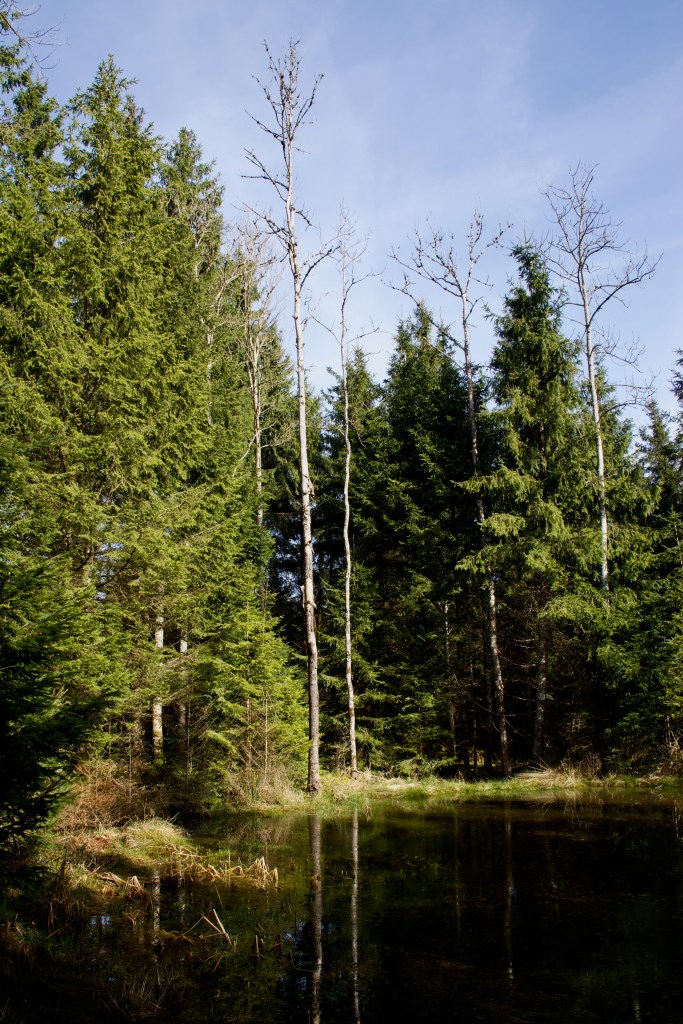
have not yet grown leaves.
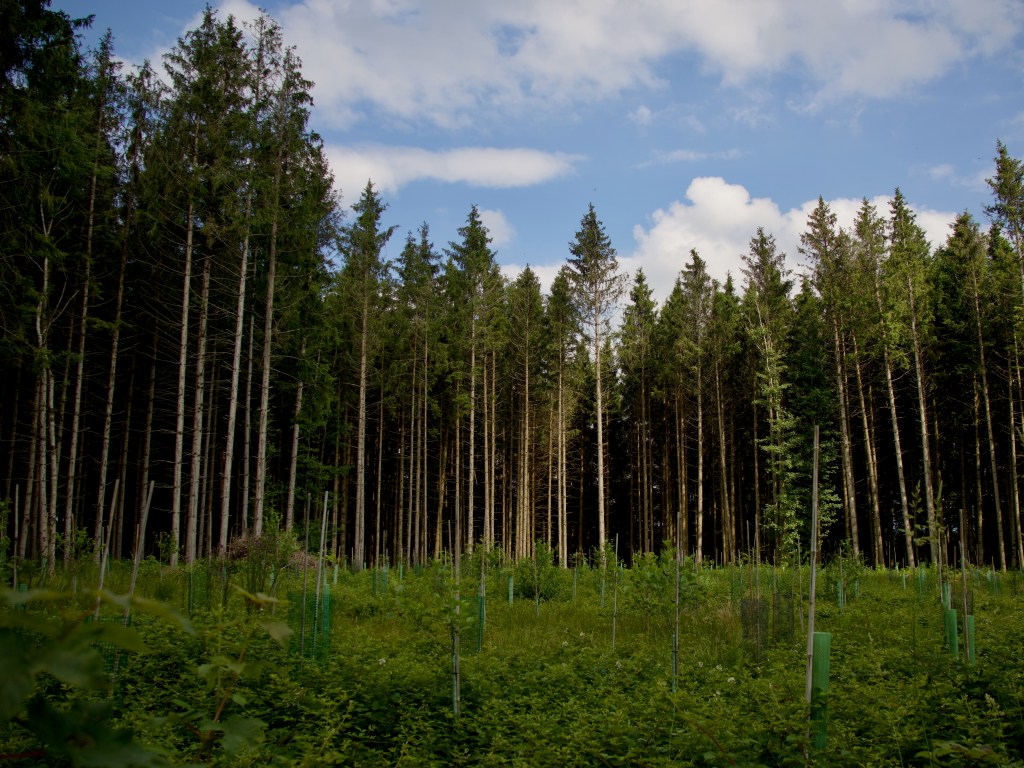
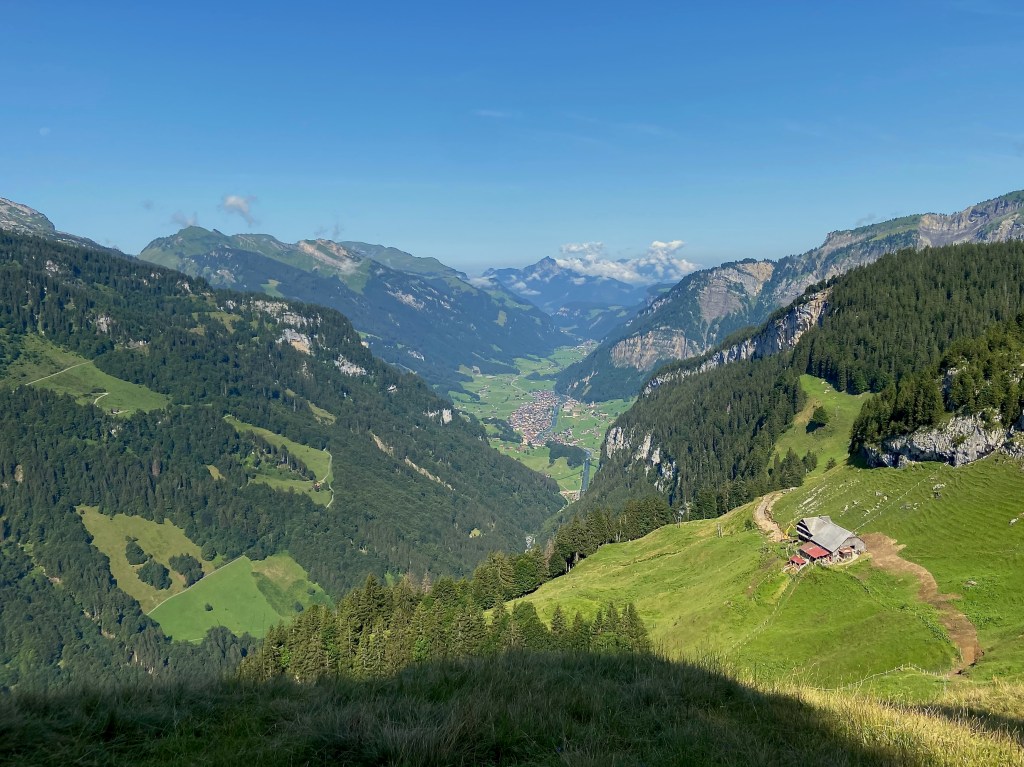
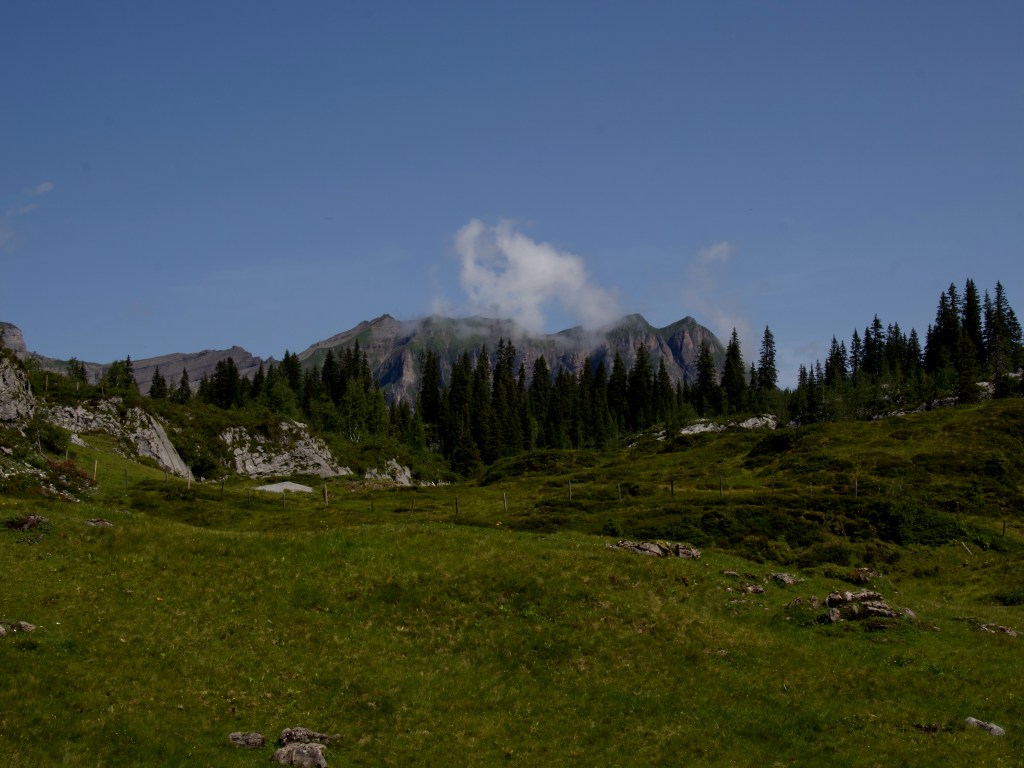
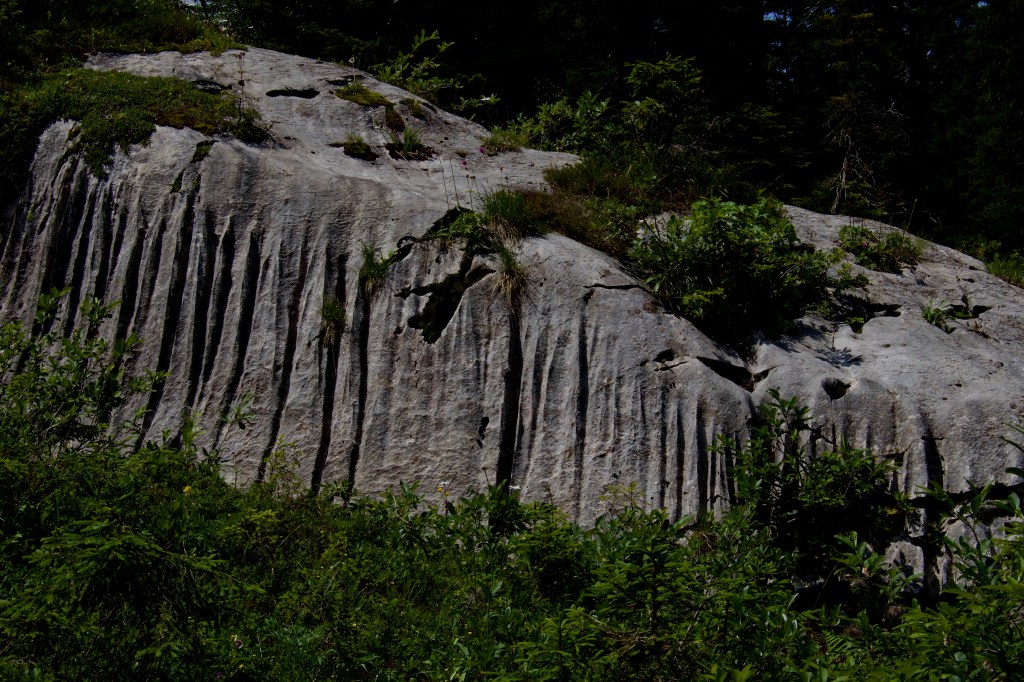
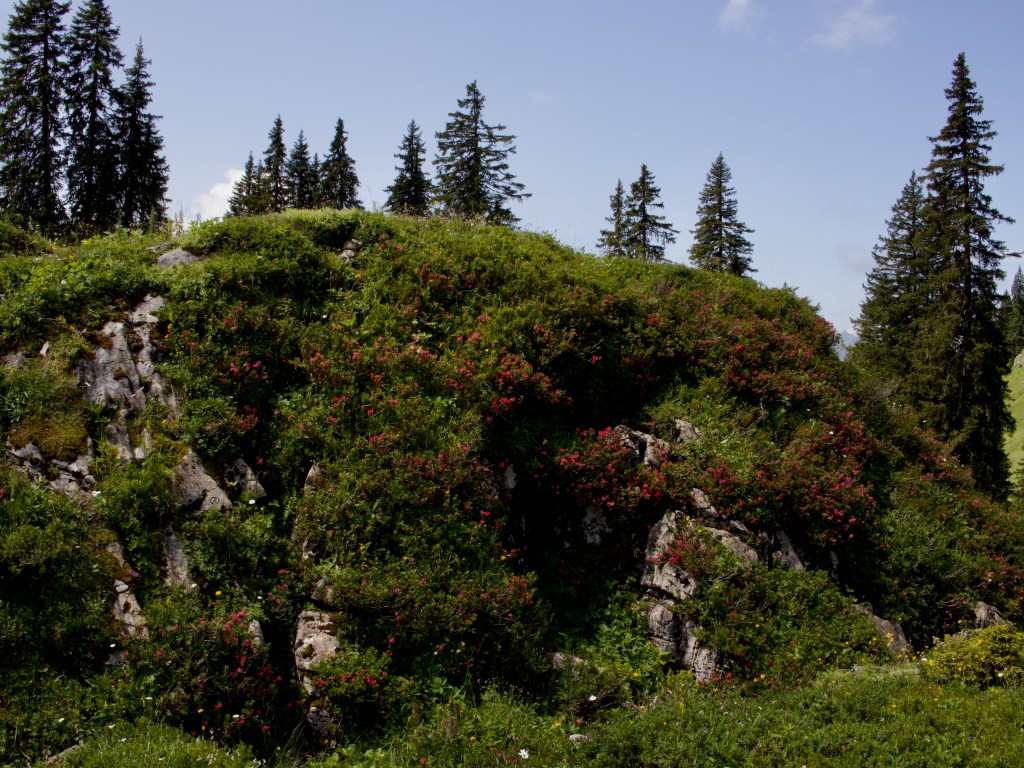
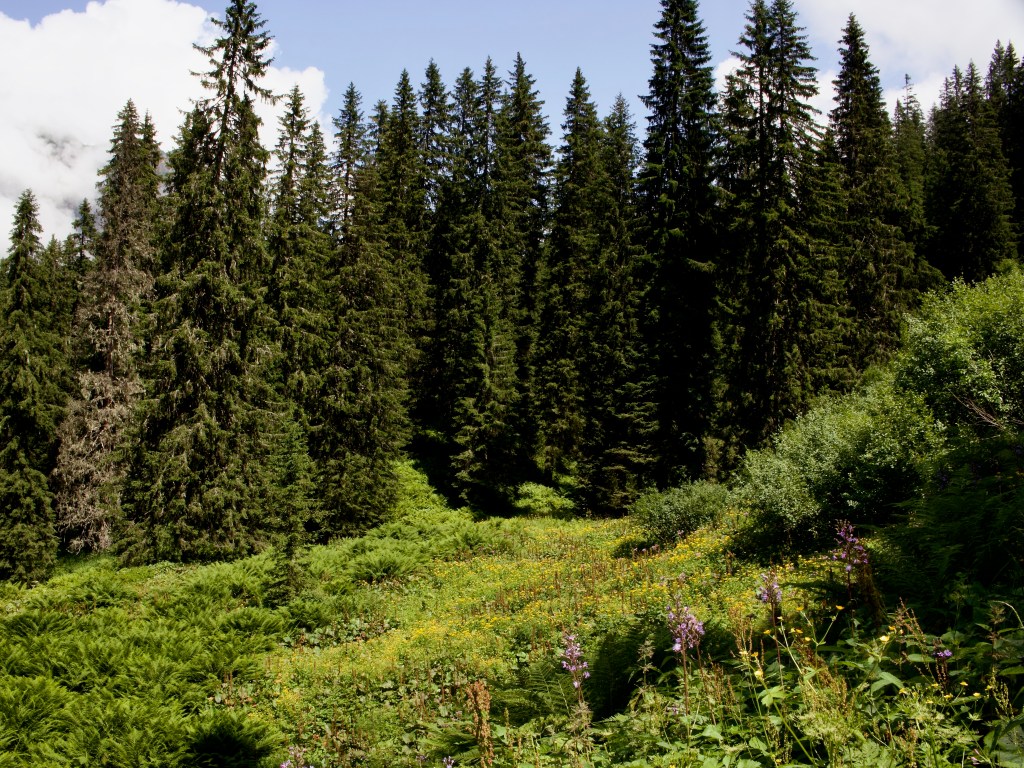
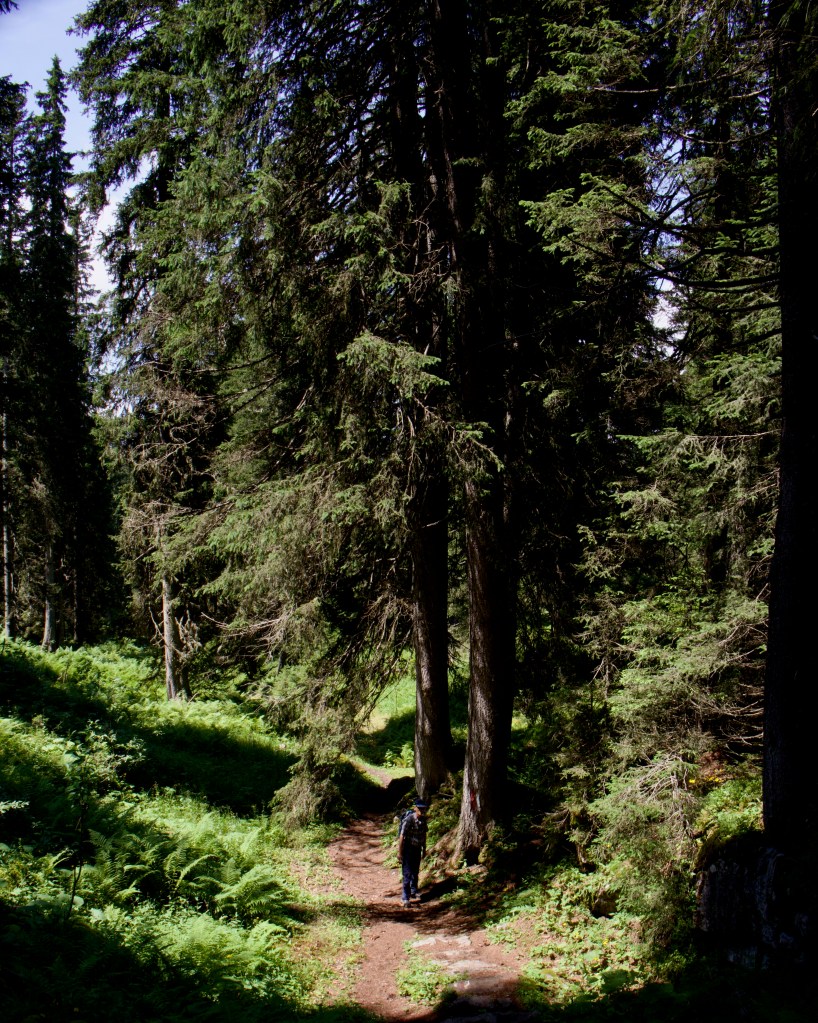
The hike on the perimetry of the Bödmerenwald takes a couple of hours. The forest grew after the last ice age ended approximately 10’000 years ago. Bone finds indicate that it was a hunting site of people 7’000 years ago.
Given its protection and seclusion – not last due to the dangers of falling into crevaces – it hosts numerous rare plants and animals.
The Reserve should only be visited during stable weather conditions with good visibility and with adequate hiking equipment. When these two conditions are fulfilled, the excursion offers an singular experience.
One may ask what the difference is between the flora of the two regions, the Vogelmoos and the Bödmerenwald. Many forests of the lower Prealps, such as Vogelmoos were populated by fir trees that were planted for economic reasons and in favor of deciduous trees. There is a strong trend to change this arrangement in favor of a mixed forest with fir and deciduous trees believed to withstand the climatic changes of recent times. This process is fairly advanced in Vogelmoos.
The lower areas of Bödmerenwald harbor birch but at higher altitude, they do not cope with the cold weather of fall and winter. The forest of Bödmerenwald looks homogenous and impresses through the population of tall spruce.

 Vogelmoos Nature Reserve
Leave a comment